The Great Winter Sleep Debate: What Your Reptile's Body Actually Wants From December
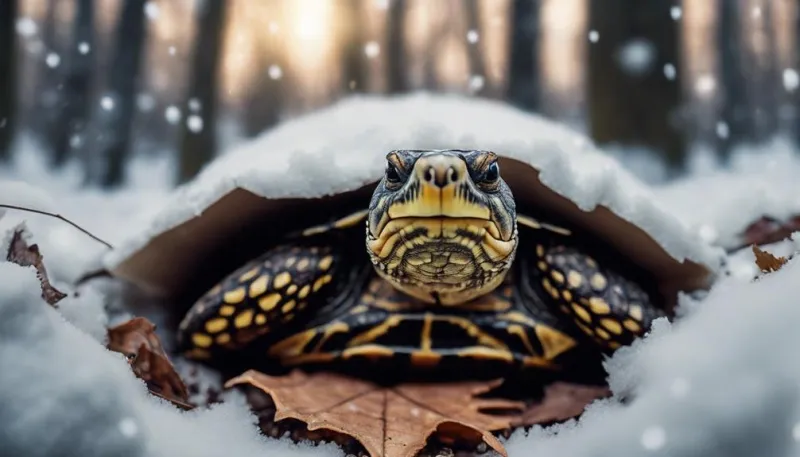
Photo: tortoise sleeping hidden in substrate winter brumation, via thereptileguide.com
Ask a reptile forum whether you should brumate your animal and you'll get two confident, contradictory answers. One camp insists dormancy is natural and skipping it causes long-term harm—especially if you ever want to breed. The other says it's an unnecessary risk that kills more pet reptiles than it helps. Both camps have a point, and neither has the whole story.
Let's sort out what's actually happening in your reptile's body, which species genuinely benefit, and where keepers go wrong.
Brumation Versus Hibernation: A Quick Distinction
Mammals hibernate—they generate their own heat and can wake to rewarm. Reptiles brumate. As ectotherms, their body temperature drifts with their surroundings, so their metabolism doesn't just slow down; it becomes hostage to the environment. A brumating reptile can't defend itself against a temperature crash the way a hibernating chipmunk can. That's the core of the risk, and it's why the details matter so much.
Who Should Brumate (and Who Shouldn't)
Species with a strong natural drive: Temperate species—colubrid snakes like corn snakes and garter snakes, Russian and Greek tortoises, many box turtles, and bearded dragons from southern Australian populations—evolved with distinct winters. For breeders, cooling is often part of the reproductive cue sequence. For keepers of these species, a managed brumation is generally considered safe and even beneficial.
Species where it's unnecessary or risky: Tropical species—ball pythons, leopard geckos, crested geckos, most monitors—come from climates without a real winter. Cooling them provides no natural benefit and adds risk. For these animals, a slight seasonal reduction in feeding and basking time is plenty; a full brumation protocol is a solution looking for a problem.
The gray zone: Some herps are somewhere in between, and individual health matters enormously. An underweight animal or one with a recent illness should not be cooled, period. Dormancy requires energy reserves and a clean bill of health.
Prepping Right: The Short Version
For keepers whose species are candidates, the process looks like this:
- A pre-brumation vet check, including a fecal exam. Intestinal parasites can flare or kill during dormancy when the immune system is running on fumes.
- A fasting window appropriate to the species—generally 1–2 weeks for small lizards, longer for larger snakes—to let the digestive tract empty. Undigested food rotting in a cooled gut is one of the classic brumation disasters.
- A gradual cool-down over a week or more, never a sudden drop into the 50s.
- A controlled environment with stable temperatures, a water source, and a way to check on the animal without fully waking it.
- A gradual warm-up at the end, with hydration and a first meal offered only after the animal is fully back to temperature.
The Mistakes That Turn Dormancy Into an Emergency
The failure modes are predictable. Cooling a sick or underweight animal. Skipping the fast. Letting temperatures swing wildly because the brumation box is in a garage that freezes at night. Leaving food in with the animal. And the most common one: panicking mid-brumation and repeatedly waking the animal to "check on it," which burns the energy reserves dormancy was supposed to conserve.
If your animal is brumating and something seems wrong—unusual odor, visible weight loss, or a completely limp, unresponsive posture when warmed briefly—abort the process, warm gradually, and get to an exotics vet.
The Honest Answer
Does your pet ball python need to brumate? No—it's a tropical species, and it won't suffer without a winter. Does your outdoor Russian tortoise benefit from a natural dormancy cycle? The evidence and the husbandry community largely say yes. And if breeding is the goal, seasonal cooling for temperate species remains a well-established part of the reproductive playbook.
The real principle underneath all the forum arguments is simple: mimic the animal's native climate, not the climate of whoever's giving advice on Facebook. Know where your species comes from, confirm it's healthy enough to cool, and if you're not sure, a slight winter reduction in light and feeding is a perfectly respectable middle path that keeps everyone safe until spring.