Hot Topic: The Science of Why Getting Temperature Wrong Is Quietly Killing Your Reptile
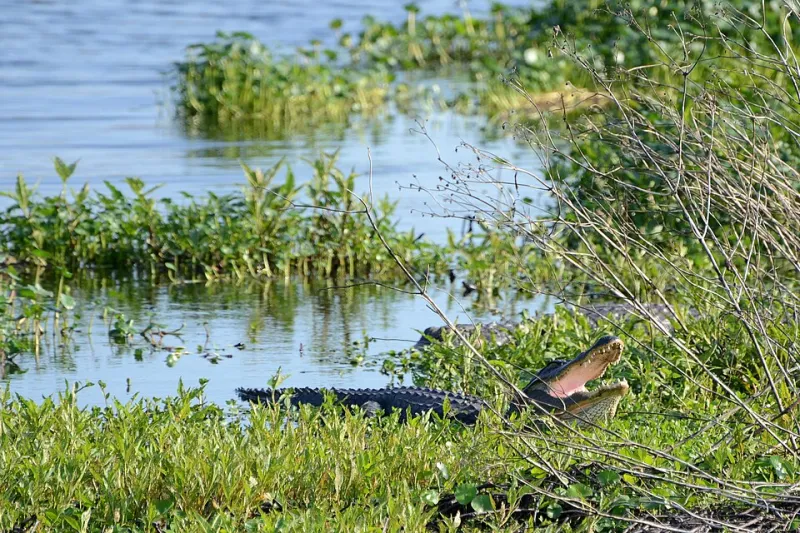
Photo: Geoff Gallice from Gainesville, FL, USA, CC BY 2.0, via Wikimedia Commons
Ask a new reptile keeper what the most important thing in their setup is, and you'll usually hear something about lighting, or maybe substrate. Temperature almost never tops the list. That's a problem, because among researchers and experienced herpetologists, thermal management isn't just important—it's foundational. Get it wrong, and almost everything else you do right becomes irrelevant.
Reptiles are ectotherms. That single biological fact has enormous implications for how we keep them, and most of those implications are poorly understood even by long-time hobbyists. Let's dig into the science, debunk some persistent myths, and talk about what responsible thermal management actually looks like.
What "Ectotherm" Really Means for Your Animal
Ectothermy doesn't mean cold-blooded in the casual sense most people use. It means that a reptile's body temperature—and therefore its metabolic rate—is directly regulated by external heat sources rather than internal combustion. This relationship is far more precise and consequential than most keepers appreciate.
Research published in journals like Physiological and Biochemical Zoology and Journal of Experimental Biology has consistently demonstrated that reptile immune function, digestive enzyme activity, and neurological response all operate within specific thermal windows. Outside those windows, performance degrades—sometimes sharply.
Consider digestion. A ball python fed at its optimal body temperature of around 88°F will digest a meal efficiently over two to three days. The same snake kept at 80°F may take twice as long, and the partially digested meal creates conditions favorable to bacterial overgrowth. That's not a minor inefficiency—it's a direct pathway to regurgitation, infection, and chronic illness.
Now consider immune function. Studies on various reptile species have shown that the ability to mount an effective immune response—to fight off bacterial or viral pathogens—is temperature-dependent. A reptile chronically kept below its preferred body temperature range has a measurably compromised immune system. This is why respiratory infections, often triggered by opportunistic bacteria, are so common in collections where heating is inconsistent.
The Gradient Problem Nobody Talks About
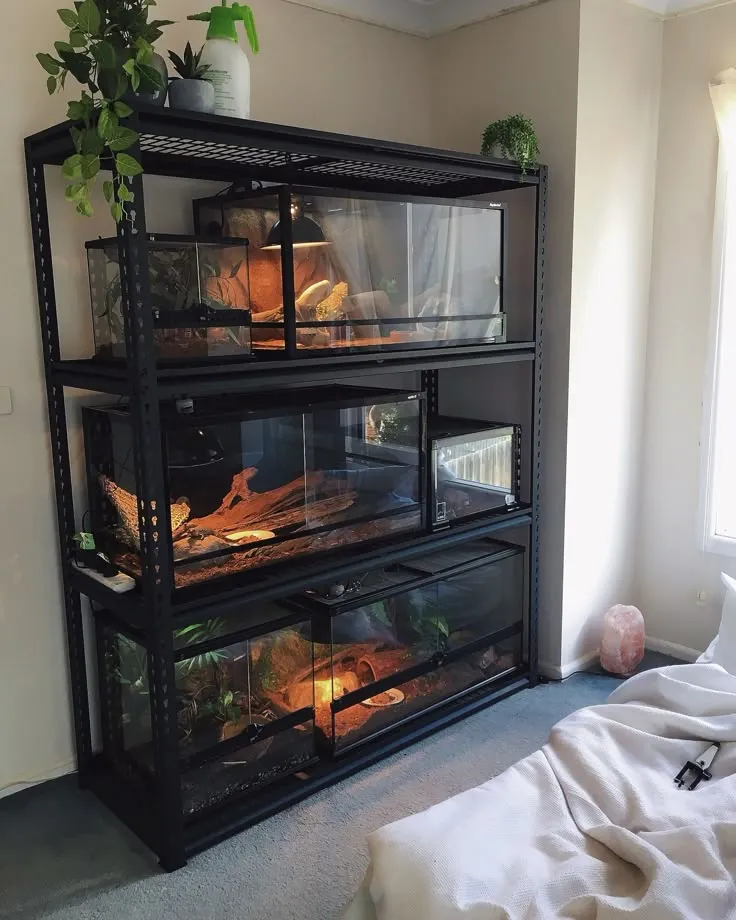
Here's where most keepers—including experienced ones—get it wrong. A reptile doesn't need a single target temperature. It needs a thermal gradient: a range of temperatures across the enclosure that allows the animal to self-regulate by moving between warmer and cooler zones. This behavioral thermoregulation is a core part of how reptiles manage their physiology.
A basking spot at 105°F means nothing if the cool end of the enclosure is also 90°F. The animal can't escape the heat, can't lower its body temperature when needed, and is essentially stuck in a state of chronic thermal stress. Ironically, this is one of the most common setups in American reptile keeping—enclosures that are uniformly warm rather than properly graduated.
On the flip side, a cool end that drops too low at night—especially common in homes with aggressive air conditioning or in unheated rooms during winter—can send a reptile into a semi-torpid state, suppressing digestion and immune activity for hours at a time, night after night. Over months and years, this compounds into real health consequences.
Debunking Common Heating Myths
Myth 1: Hot rocks are fine if you watch them carefully. No. Analog hot rocks—the kind with a resistive heating element inside—have notoriously inconsistent heat distribution and no reliable way to regulate surface temperature. Reptiles can't always detect damaging heat through their ventral scales until burns are already occurring. The reptile veterinary community has been warning against these for decades. They're still on store shelves. Don't use them.
Myth 2: If my reptile is active, the temperature must be fine. Activity level is a poor proxy for thermal adequacy. Reptiles under chronic thermal stress may appear behaviorally normal while experiencing suppressed immune function and slowed metabolism. The absence of obvious distress doesn't mean optimal conditions.
Myth 3: A single thermometer tells me what I need to know. One thermometer gives you one data point. A properly characterized enclosure needs measurements at the basking spot surface (not air temperature above it), the cool end, and the ambient midpoint. Infrared temperature guns—available for $15 to $25—are one of the most cost-effective investments any keeper can make and give you instant surface readings across the entire enclosure.
Myth 4: Wattage determines heat output. Wattage describes power draw, not the thermal output delivered to your animal. A 100-watt bulb in a large, well-ventilated enclosure may produce less effective basking heat than a 60-watt deep heat projector in a smaller space. The relevant variable is surface temperature at the basking site, measured directly, not inferred from bulb wattage.
Comparing Heat Source Technologies
Not all heating equipment is created equal, and the differences matter more than most product marketing suggests.
Incandescent and halogen basking bulbs produce visible light alongside heat and closely mimic solar radiation. They're excellent for diurnal species that bask in the wild. They do need to be turned off at night, which means a separate nighttime heat source may be required depending on ambient temperatures.
Ceramic heat emitters (CHEs) produce heat without light, making them suitable for nighttime use. However, they heat air rather than radiating infrared energy into the substrate and the animal's body, which limits their effectiveness for species that rely on contact heat from warm surfaces.
Deep heat projectors (DHPs) are a relatively recent technology that has gained significant traction in the community. They emit deep-penetrating infrared wavelengths (IR-B and IR-C) that warm the animal's tissues and the substrate more effectively than CHEs. Research on their specific biological effects in reptiles is still developing, but early evidence and keeper experience suggest they more closely replicate the radiant warmth of sunlight on rock and soil.
Under-tank heaters (UTHs) are widely sold but frequently misused. Without a thermostat—and many keepers run them without one—UTHs can reach dangerously high surface temperatures. Used correctly, on a quality thermostat and under appropriate substrate depth, they can be useful for species that thermoregulate through contact with warm substrate. Used incorrectly, they're a burn risk.
Radiant heat panels are popular in rack systems and larger collections. They provide consistent overhead warmth and work well with thermostats. They're less useful for species that require a defined, intense basking spot.
The Thermostat Is Non-Negotiable
Every heat source in your collection should be on a thermostat. Full stop. This is not an area where the community should still be debating, but it is—and that's worth addressing directly.
A quality proportional thermostat (sometimes called a dimming thermostat) doesn't just cut power when a target temperature is reached. It modulates power output continuously, reducing fluctuation and extending the life of your heating equipment. Brands like Herpstat, Vivarium Electronics, and Inkbird offer options at various price points. Even a basic on/off thermostat is dramatically better than running heat sources uncontrolled.
Fluctuating temperatures—the kind produced by uncontrolled heat sources cycling on and off with ambient room temperature—create exactly the kind of chronic low-grade thermal stress that accumulates into health problems over time. Your animal may not show obvious symptoms for months or years. But the biological cost is being paid the whole time.
Thermal management is the most underestimated variable in reptile keeping. It's also the most correctable. A digital thermometer, an infrared gun, and a quality thermostat will tell you more about your enclosure's actual conditions—and your animal's actual welfare—than almost any other investment you can make.