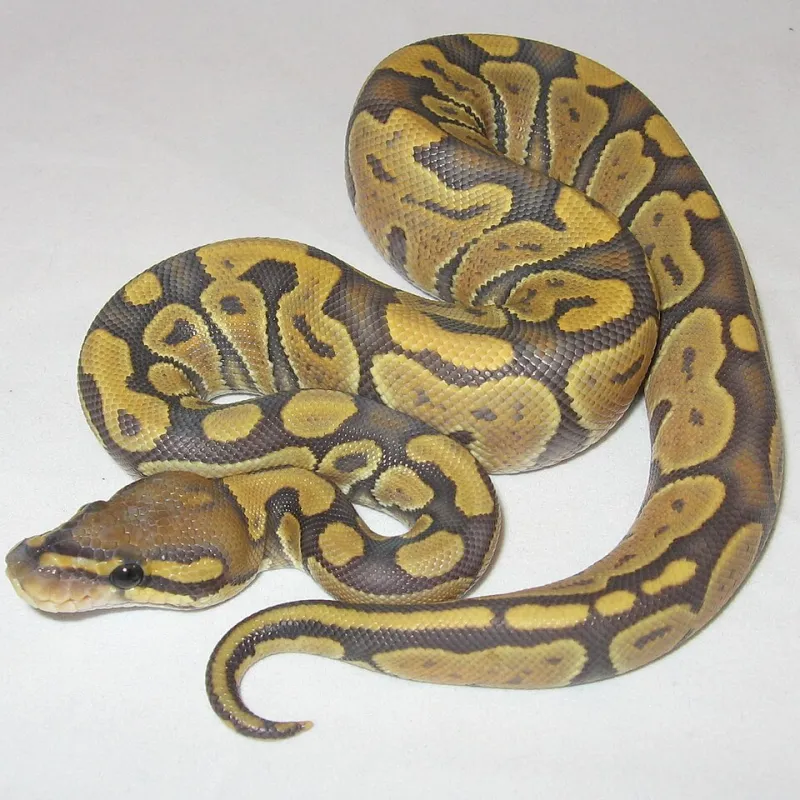
The Bug Buffet Is Getting an Upgrade: What 2026's Feeder Insect Science Means for Your Reptile
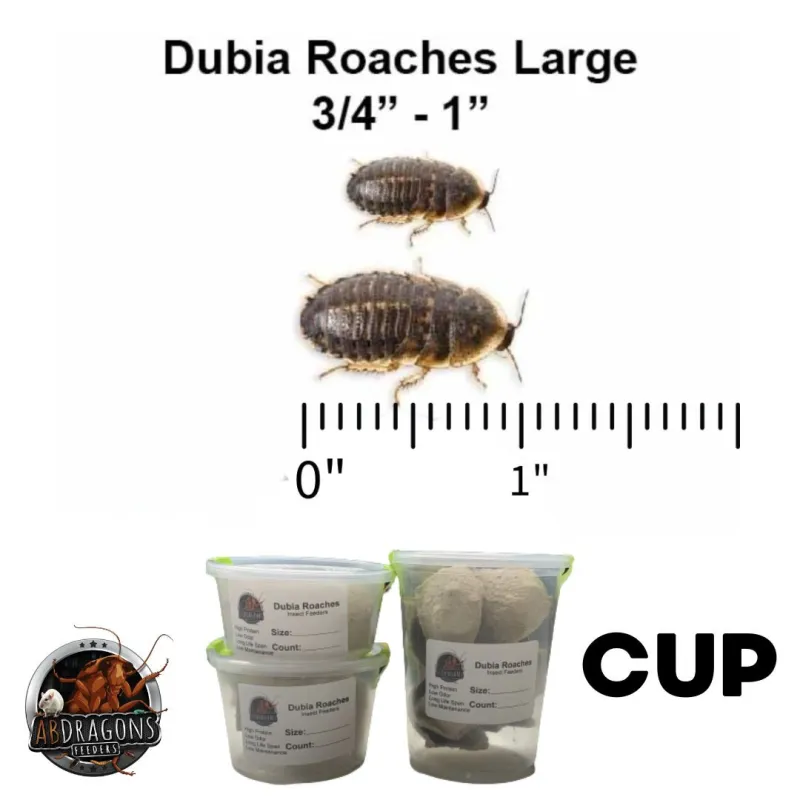
Photo: feeder insects crickets dubia roaches in plastic container reptile feeding, via cdn11.bigcommerce.com
Walk into any reptile expo from Tampa to Tinley Park and you'll hear the same question at the feeder bins: "What are you feeding your feeders?" Five years ago, that question would've gotten you a shrug. Today, it's the frontline of reptile nutrition science—and the answer might save your animal's bones.
The Problem With the Old Playbook
For decades, the standard advice was simple: buy crickets, dust with calcium, done. But that approach left gaps wide enough to drive a truck through. Crickets shipped from commercial breeders are often nutritionally hollow by the time they hit your doorstep—stressed, dehydrated, and running on empty guts.
"You are what your food eats. That's the whole game," says Dr. Marisol Vega, an exotics veterinarian outside Austin, Texas. "If your feeder insect hasn't eaten in three days, dusting is a band-aid on a bigger wound."
The condition vets call it? Empty gut syndrome. And it's one of the sneakiest contributors to metabolic bone disease (MBD), the calcium-deficiency disaster that softens jaws, bends spines, and remains one of the most common diagnoses in reptile medicine.
Gut-Loading Gets Serious
The good news: gut-loading has gone from folk wisdom to actual formulation. Research out of several university entomology departments has refined what actually works when you stuff a feeder insect 24–48 hours before feeding time.
What the current consensus looks like:
- Calcium-rich greens first. Collard greens, mustard greens, and dandelion greens deliver calcium that actually makes it into the insect's tissue—not just its digestive tract.
- Skip the spinach myth-cycling. Oxalates bind calcium, so spinach-heavy gut-loads can backfire. Rotate it out entirely if you're being cautious.
- Moisture matters. Sliced squash, carrots, and water gel keep insects hydrated, which keeps them alive longer in your bin—and palatable to picky eaters.
- Commercial gut-load powders aren't all equal. Read labels. If sugar or grain fillers top the ingredient list, you're paying for filler.
Dustin Kowalski, who breeds leopard geckos in Ohio, puts it bluntly: "I spend maybe eight bucks a month on gut-load produce. One MBD workup at the emergency vet runs $300-plus. It's not a hard math problem."
Dusting Without the Guesswork
Here's where keepers get tangled up. Calcium with D3? Without? Every feeding or twice a week? The honest answer from vets: it depends on your lighting setup and your species.
If your animal has access to quality UVB—and modern T5 HO linear fixtures have made this cheaper and more effective than ever—you can ease off D3 supplementation. If you're relying on ambient light through a window, that glass filters out the UVB your reptile needs, and dietary D3 becomes non-negotiable.
A rotation many herp vets now suggest:
- Plain calcium at most feedings for growing juveniles
- Calcium + D3 once or twice weekly
- A broad-spectrum vitamin supplement once weekly
- Dial back for adults—over-supplementation is a real thing too
When in doubt, bring your supplement lineup to your annual vet visit. Seriously. Most exotics vets will happily review your routine for free during a wellness exam.
The Black Soldier Fly Takeover
If one insect has reshaped the feeder aisle, it's the black soldier fly larva—marketed as Phoenix worms, calciworms, or simply BSFL. These wrigglers come naturally loaded with calcium, boasting a calcium-to-phosphorus ratio that makes heavy dusting almost optional.
"BSFL changed the game for smaller insectivores," says Vega. "For a juvenile gecko or a young bearded dragon, they're about as close to a nutritionally complete feeder as we've had."
They're not perfect—larvae are fatty, so they're better as a staple component than an exclusive diet—but combined with dubia roaches (protein-rich, quiet, odorless, and legal in most states, though check your local rules), they form the backbone of a modern feeder rotation.
Building a Rotation That Won't Bankrupt You
Variety is the buzzword, but variety on a budget takes planning. A realistic weekly lineup for a mid-size insectivore might look like:
- Monday/Thursday: Dubia roaches, lightly dusted
- Tuesday/Friday: BSFL, no dusting needed
- Weekend: Crickets or silkworms for enrichment and hydration
Buying in bulk from online vendors beats pet store pricing dramatically—many keepers split large roach colonies with local herp society members. And speaking of which: if you're not in a local herpetological society yet, you're overpaying for feeders and missing out on the best supplement advice in the hobby.
The Bottom Line
The feeder insect aisle of 2026 looks nothing like it did a decade ago, and your animals are the beneficiaries. Feed the feeders, dust with intention, rotate your prey items, and get UVB right. Your reptile's skeleton will thank you—quietly, over the next twenty years.