Skin Deep: How Your Reptile's Shed Reveals What's Really Going On Inside
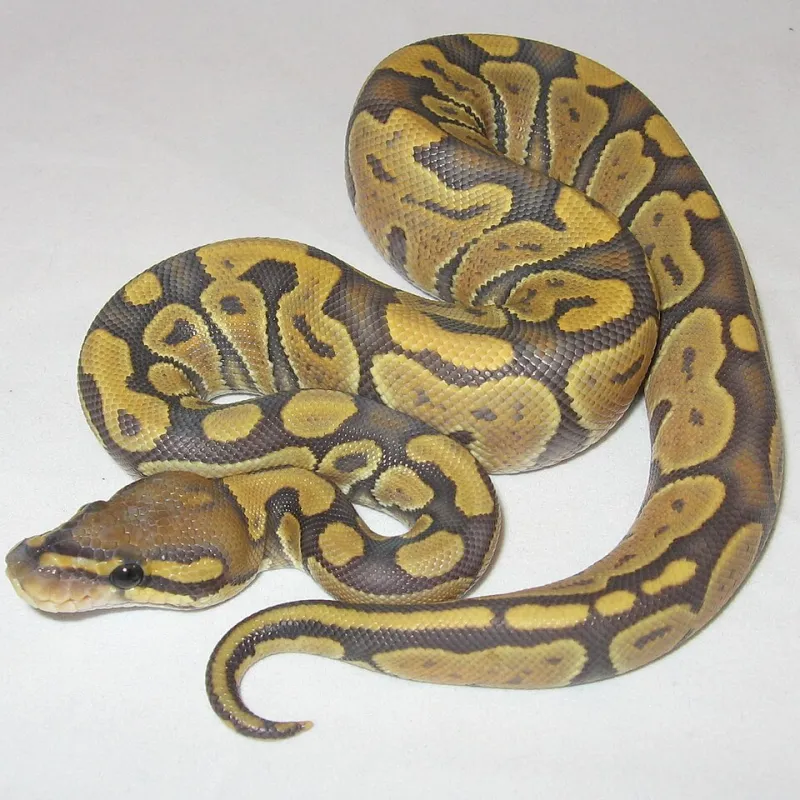
Photo: Eclipse Exotics, CC BY-SA 3.0, via Wikimedia Commons
Every reptile keeper has been there: you walk past the enclosure, spot a crumpled pile of translucent skin in the corner, and think, cool, shed day. You scoop it out, maybe post a photo to your group chat, and move on. But what if that shed—its color, texture, completeness, and timing—was quietly telling you something important about your animal's health? Spoiler: it almost always is.
Shedding, or ecdysis, is one of the most overlooked diagnostic tools available to everyday keepers. Veterinarians and experienced herpetologists use shed patterns to flag nutritional deficiencies, hydration problems, parasitic infections, and environmental stressors before clinical symptoms ever show up. The skin doesn't lie. Here's how to start listening.
What a Healthy Shed Actually Looks Like
Let's establish a baseline, because "normal" varies a lot by species. A ball python in good health typically sheds in one clean piece, including a full eye cap, every four to six weeks when young and less frequently as an adult. A bearded dragon might shed in patches—and that's completely fine for them. Leopard geckos often eat their shed, so you may never see it at all.
Regardless of species, a few universal markers signal a clean bill of health:
- Complete coverage: The shed should account for the entire body surface, including the tail tip, toes, and—critically—the spectacles (eye caps) in snakes.
- Consistent color: Fresh shed is usually semi-transparent and slightly bluish or milky during the pre-shed phase, then clears before the actual slough. Post-shed skin should look vibrant and well-defined.
- Structural integrity: A healthy shed holds together. It shouldn't crumble, tear into tiny fragments, or feel unusually thin.
- Timing regularity: Each species has a rhythm. Deviations from that rhythm—especially dramatic slowdowns or sudden acceleration—deserve attention.
Red Flags in the Shed Pile
Abnormal shedding doesn't always announce itself dramatically. Sometimes it's subtle: a slightly thicker shed here, a small patch of retained skin there. Over time, though, these signals compound.
Retained shed (dysecdysis) is the most common complication, and it's more serious than it looks. When shed skin fails to release cleanly, it can constrict blood flow—especially around toes, tail tips, and hemipenes in male snakes. A single retained toe cap can turn into a necrotic digit within days. Retained eye caps are equally urgent; left unaddressed, they stack up layer by layer and can permanently impair vision.
Common causes of dysecdysis include:
- Low humidity: This is the number-one culprit. Most keepers run their enclosures too dry, especially in air-conditioned American homes during summer.
- Dehydration: A reptile that isn't drinking enough will produce brittle, fragile skin that tears during shedding.
- Nutritional deficiencies: Low vitamin A is particularly notorious for causing poor skin quality in insectivores like chameleons and leopard geckos. If your feeder insects aren't properly gut-loaded, your reptile is paying the price in skin health.
- Parasitic load: Mites and other external parasites disrupt the skin's surface integrity, leading to patchy or incomplete sheds.
- Underlying illness: Systemic infections, respiratory disease, and metabolic disorders all show up in shed quality. Think of the skin as a printout of your animal's internal status report.
Unusually frequent shedding can indicate rapid growth (normal in juveniles) but in adults may point to skin irritation, burns from an improperly regulated heat source, or even a healing response to injury.
Unusually infrequent shedding in a species that should be cycling regularly often signals metabolic slowdown—sometimes from chronic low temperatures, sometimes from illness, sometimes from inadequate nutrition.
Species-Specific Shed Checklists
Different animals need different diagnostic lenses. Use these quick-reference checklists during each shed cycle.
Ball Pythons
- Did the shed come off in one piece?
- Are both eye caps present and intact in the shed?
- Is the shed at least as long as the snake?
- Did the snake go off food during blue phase? (Normal, but monitor duration)
- Is ambient humidity maintained at 60–80%?
Bearded Dragons
- Are patches clearing fully, including around the beard and toes?
- Is the dragon drinking and basking normally during the shed cycle?
- Any retained shed around the toes or tail tip after 48 hours? (Act on this quickly)
- Are UVB levels current? (Deficiency accelerates abnormal shedding)
Leopard Geckos
- Even if you don't see the shed, check toes weekly for constricted rings of old skin
- Is a moist hide available at all times?
- Any behavioral changes like excessive hiding or loss of appetite outside of shed timing?
Chameleons
- Sheds should be infrequent in adults—monthly or less. Frequent shedding may signal stress
- Check around casque ridges and limb joints for retained pieces
- Assess coloration post-shed: dull, dark colors that persist may indicate illness rather than shed residue
Turning Shed Day Into a Wellness Check
Here's a practical habit worth building: every time your reptile sheds, treat it as a mini vet visit. Before you discard that pile of skin, spend two minutes examining it. Lay it out flat if possible. Check for completeness. Note the date in a simple log—a notes app on your phone works fine. Over time, you'll build a baseline timeline for your individual animal that makes deviations obvious.
If you notice retained shed, don't panic—but don't ignore it either. A lukewarm soak for 15 to 20 minutes followed by gentle assistance with a damp cloth resolves most mild cases. For anything involving the eyes or significant constriction, a reptile-experienced vet is your next call. The American Association of Reptile Veterinarians (ARAV) maintains a searchable directory that can help you find a qualified specialist in your area.
Shedding isn't just a biological nuisance to manage. It's a window into your animal's world—and once you start reading it, you'll wonder how you ever kept reptiles without paying attention to it.