The Bulb Is Lying: A Keeper's Guide to Real UVB Output

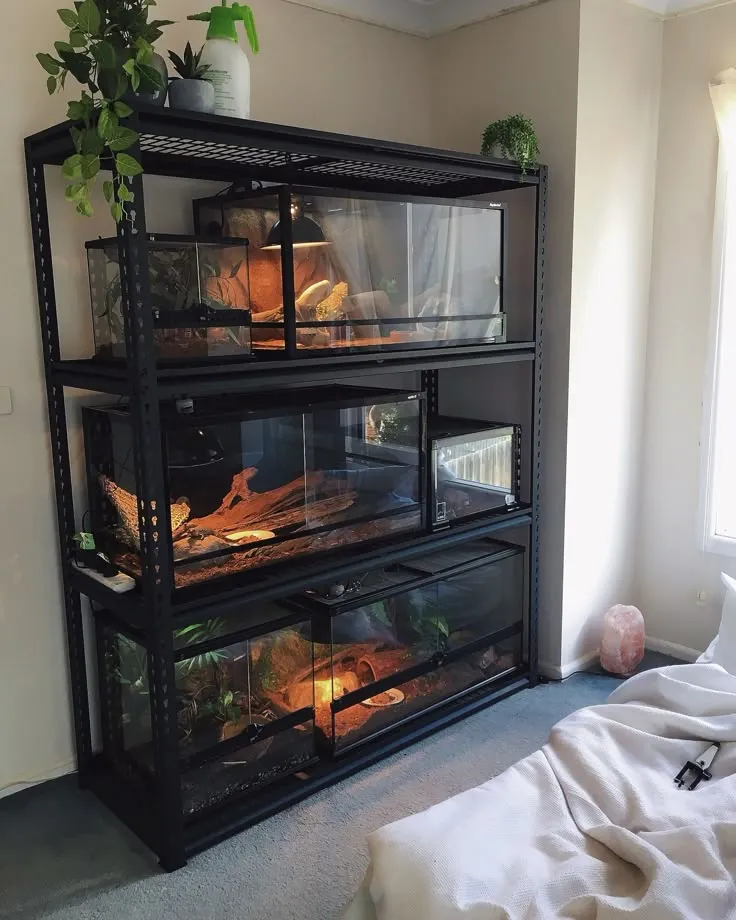
Photo: UV Index meter measuring reptile basking lamp enclosure, via imgresizer.tntsports.io
UVB lighting is one of those topics where the packaging is often more confident than the physics. A box can say 'full-spectrum,' 'desert strength,' or '10.0' and still produce a basking zone that gives your reptile almost nothing useful. The bulb is not necessarily lying on purpose. It is just that UVB is invisible, degradable, and easy to block.
If you keep a diurnal reptile, UVB is not decorative. It helps drive vitamin D3 synthesis and calcium metabolism, and the wrong setup can contribute to serious health problems over time. But before you buy another bulb, it helps to understand what you are actually measuring.
'Full-Spectrum' Does Not Mean 'Useful UVB'
In the US, 'full-spectrum' is not a tightly regulated performance claim for reptile lighting. It usually means the bulb emits light across a broad visible range. It says little about how much UVB reaches the animal at a given distance. Two bulbs with similar packaging can have very different UVB output curves.
What matters is the UV Index at the basking zone, the area where the animal actually spends time. That is a function of the bulb, the fixture, the reflector, the distance, and anything between the bulb and the animal. Change one variable and the number changes.
Bulbs Fade Before They Die
UVB output declines with use. A bulb can still look bright to your eye while producing a fraction of its original UVB. Many keepers replace bulbs on a calendar, often every six to twelve months, but that is a rough guideline, not a guarantee. Some bulbs decay faster. Some fixtures overdrive bulbs. Some animals sit farther away than the keeper assumes.
This is why a UV meter is the only way to know. The Solarmeter 6.5 is the common handheld tool in the hobby because it measures UV Index in the range relevant to reptile basking. It is not cheap, but it turns guesswork into data.
The Three Thieves: Distance, Mesh, and Fixtures
Distance is the big one. UVB falls off quickly as you move away from the bulb. A bulb rated for a certain output at 12 inches may be nearly useless at 24 inches. Basking decor that looked close enough in the store may be too far below the lamp in the actual enclosure.
Mesh screening is the second thief. A fine metal screen can block a substantial portion of UVB, sometimes half or more depending on the mesh and the bulb type. If your lamp sits on top of a screen lid, measure below the screen, not above it.
Fixtures matter too. Reflective hoods and T5 high-output fixtures can push more usable UVB into the enclosure than a bare compact fluorescent. The wrong fixture can waste output or create a narrow, harsh zone. A reflector does not create UVB, but it can direct more of it where you need it.
Measure the Basking Zone, Not the Bulb
A UV Index reading taken at the bulb surface tells you almost nothing useful. Take readings where the animal basks. Move the meter across the zone. Look for a gradient, not a single hot spot. Many species do well with a basking area that offers a range of UV Index values so the animal can self-regulate.
Species needs vary widely. A bearded dragon, a chameleon, a day gecko, and a crested gecko do not share the same UVB requirements. Even within a species, age, albinism, and health status can change the calculation. Use published care guidelines as a starting point, then measure your actual setup.
When a UV Meter Pays for Itself
If you keep one low-UV species and replace one bulb a year, a meter may feel like overkill. If you keep multiple diurnal reptiles, breed animals, run several enclosures, or manage a rescue, a meter quickly pays for itself by preventing unnecessary bulb replacements and catching dead output before it becomes a health issue. Local herp clubs sometimes share meters. Ask before you buy.
A Simple Lighting Audit
Start by checking the bulb type, age, and fixture. Measure UV Index at the basking spot with the screen in place if you use one. Move the meter to several points across the basking zone. Compare your numbers to species-appropriate guidelines. If the reading is near zero, do not assume the bulb is fine because it glows. Replace it or adjust the setup. Recheck after any change to distance, screen, or fixture.
UVB is not a box to check. It is a measurement. Once you start treating it that way, the marketing labels get a lot less confusing.