America Bought a Million Ball Pythons. Did Anyone Tell Beginners They're Not Beginner Snakes?
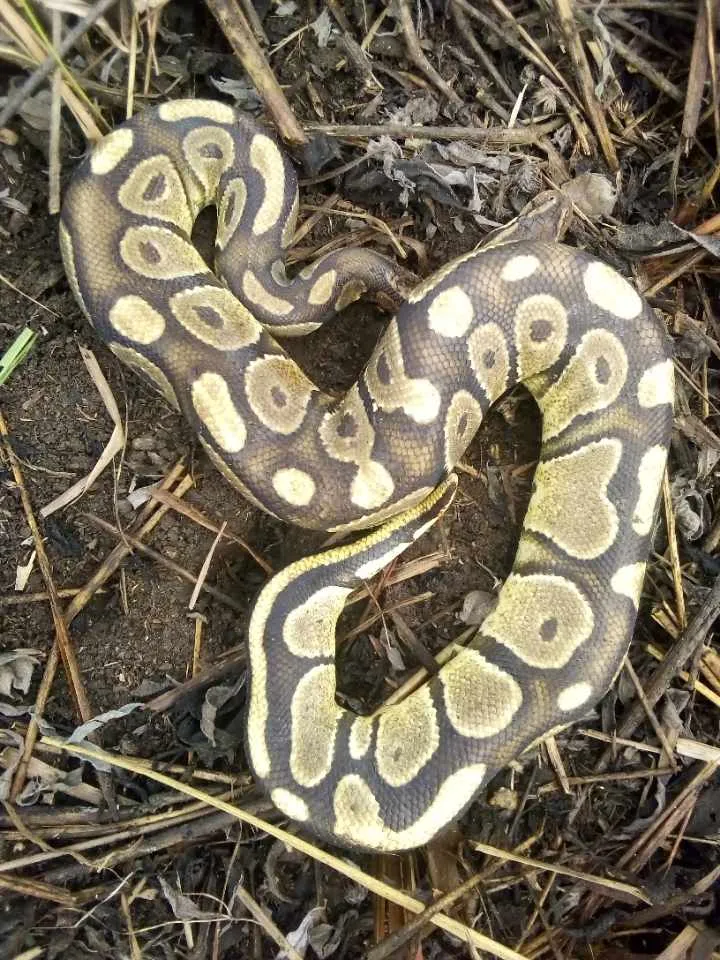
Photo: Oliversamson1, CC0, via Wikimedia Commons
Let's get something out of the way: I love ball pythons. I've kept them, I've helped friends troubleshoot theirs, and I think they're genuinely fascinating animals. That's exactly why this opinion piece needs to be written.
Ball pythons are marketed as the gateway snake of American herpetoculture. Walk into any chain pet store in the country and there they are—the docile, slow-moving, adorable-faced "starter snake." And every year, thousands of new keepers buy that pitch, bring home a snake, and then watch it refuse to eat for six weeks while the internet tells them they're killing it.
The Stubborn Eater Isn't Stubborn. It's Telling You Something.
The hobby has a nickname for the problem: "stubborn eater." As if the snake is being difficult. As if a wild-adapted Central African animal is making a personality choice to inconvenience a teenager in suburban Ohio.
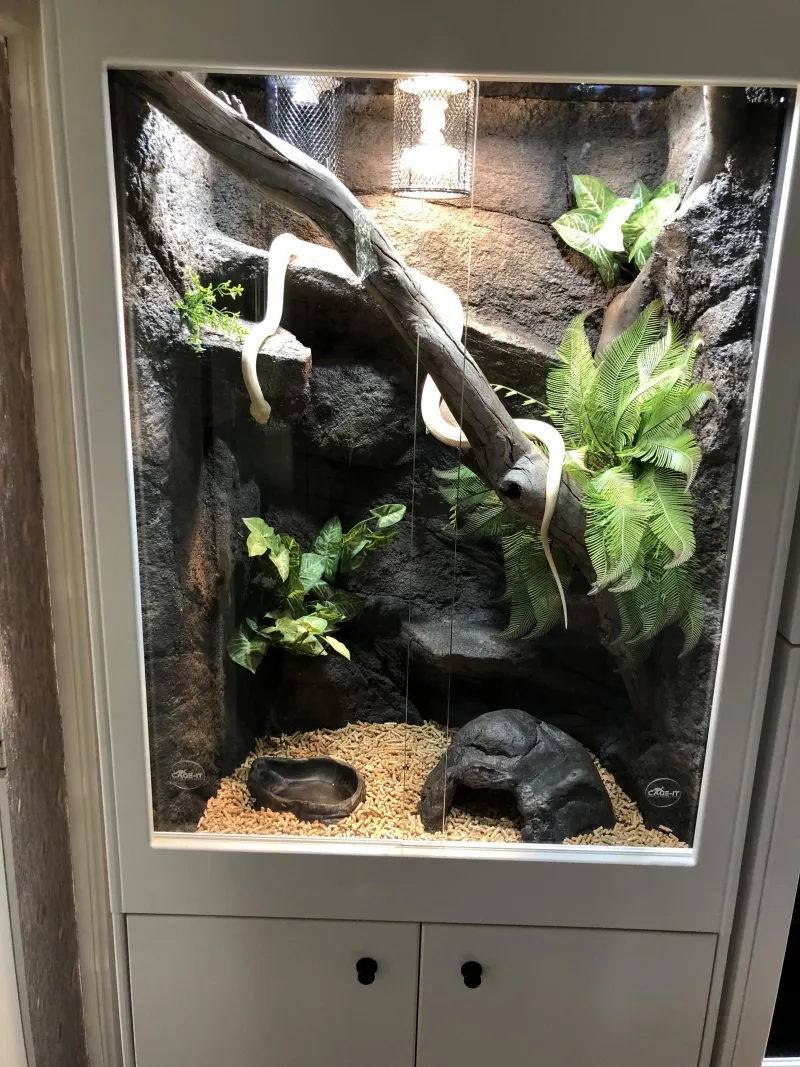
Here's the reality: ball pythons fast for reasons that are almost always environmental. Wrong temperatures. Wrong humidity. An enclosure that's too open, too bright, or too exposed. Prey that's the wrong size or temperature. Seasonal shifts they can feel even in a living room. A snake fresh from a breeder's rack being asked to adjust to a glass tank under fluorescent lights.
None of that is stubbornness. It's an animal with very specific needs being placed in conditions that don't meet them, then doing the only thing it can do—refusing food until conditions improve.
So Why Are They Sold as Beginner Snakes?
Because they check the wrong boxes. Ball pythons are docile, slow, manageable in size, and rarely bite. Those are real beginner-friendly traits, and they matter.
But they also demand precise humidity (60%+, which glass tanks fight you on), can fast for months and trigger keeper panic, and live 20 to 30 years—a commitment longer than most car loans, marriages-in-their-twenties, and certainly longer than the average person's reptile hobby tenure.
Compare that to, say, a corn snake: hardy, enthusiastic eaters, forgiving of minor husbandry errors, and just as handleable. Yet the ball python outsells it in many stores because it looks "cooler" and the morph market has turned it into a collector's item.
The Morph Machine Shapes Expectations
We can't talk about ball pythons without talking about morphs. The ball python breeding industry is a multi-million-dollar American enterprise, and it's produced jaw-dropping animals—clowns, piebalds, bananas, the list goes on. Breeders deserve real credit for that artistry.
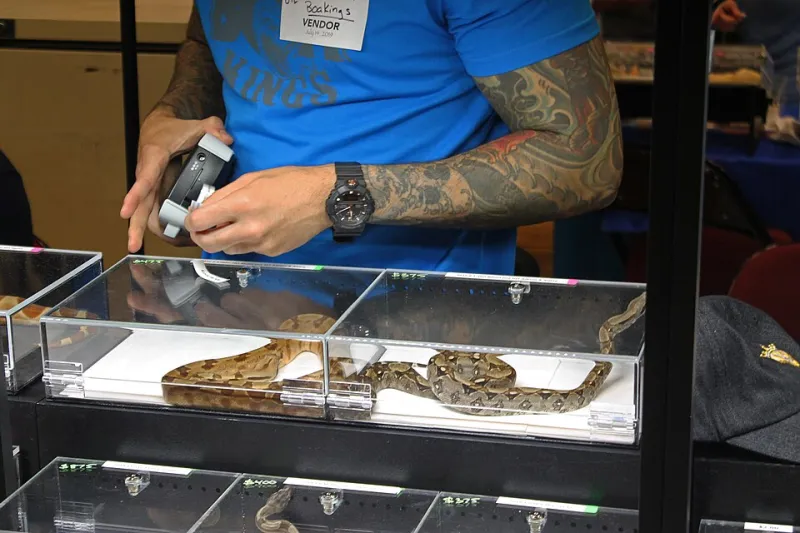
But the morph economy also frames ball pythons as products with price tags tied to genetics, not as animals with husbandry needs. A new keeper sees a $40 normal at a pet store or a $400 morph at an expo and thinks they're buying the same animal with different paint. The care requirements don't come with the receipt.
Some breeders are pushing back—longer holding periods, detailed care sheets, post-sale support. That's the direction the whole industry should move.
What Would Honest Marketing Look Like?
I'm not calling for ball pythons to be restricted or shamed. I'm calling for three changes:
- Retailers and breeders should lead with the fasting reality. Tell buyers upfront: your snake may not eat for weeks after coming home. That's normal. Here's the protocol.
- **Care sheets should stop calling them "beginner snakes" and start calling them "beginner-friendly with proper setup."" The distinction matters when someone's deciding between a ball python and something more forgiving.
- The community should normalize asking about setup before asking about morph. When someone posts a new snake, the first question shouldn't be "what morph?" It should be "what's your humidity?"
The Verdict
Ball pythons aren't misunderstood animals. They're perfectly understood animals being marketed to people who haven't been told the truth about them. Fix the marketing, fix the expectations, and you fix a huge chunk of the rehoming and failure-to-thrive stories that give this hobby heartburn.
The snakes deserve better press. So do the beginners.
Agree? Disagree? Bring it to the forums—we'd genuinely love to hear from keepers on both sides of this one.