Lights Out, Scales Down: A Blackout Survival Plan for Reptile Keepers

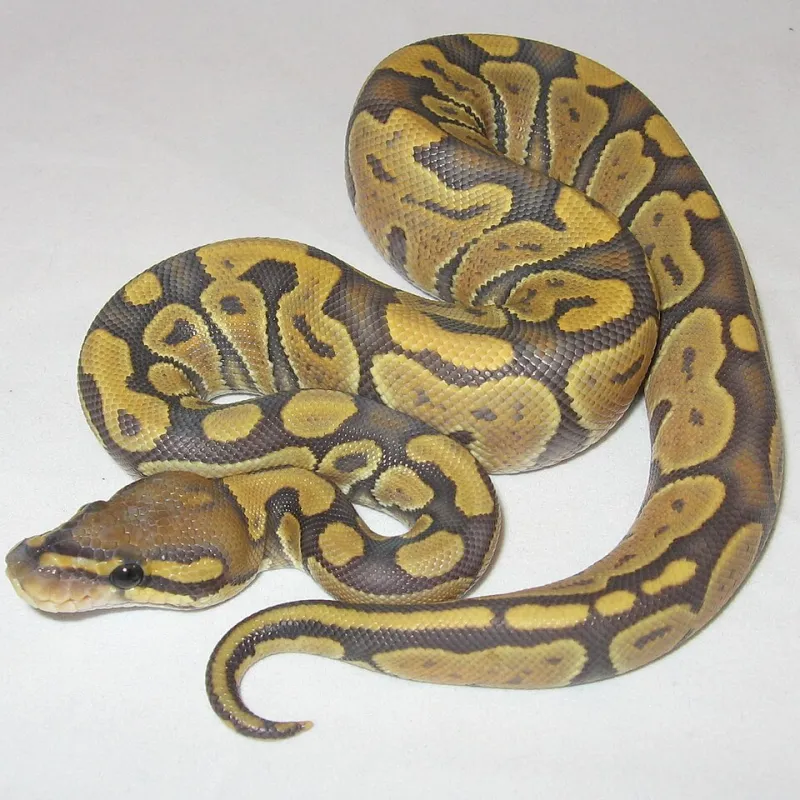
Photo: LisaPB73, CC BY-SA 4.0, via Wikimedia Commons
Storm season has a way of making reptile care feel very small and very urgent at the same time. One minute you are checking the forecast, and the next the lights are out, the heat lamp is dead, and your bearded dragon is giving you a look that says you had one job. The good news is that most outages are survivable with a little planning. The bad news is that panic purchases and improvised heat sources cause a surprising number of preventable problems.
Why the First Six Hours Matter
A reptile enclosure is a tiny climate system. Once the power drops, that system starts drifting toward room temperature. For a temperate species like a corn snake, a few hours at mild room temperature is usually a manageable inconvenience. For a tropical species, a young animal, or a reptile recovering from illness, the clock runs faster. Small enclosures also swing quickly in the other direction. A closed glass tank in a sunlit room can become an oven even during a winter outage.
The goal is not to recreate the perfect habitat. The goal is to buy time, avoid extremes, and keep the animal stable until you can restore heat, lighting, and filtration.
Build a Kit Around Your Species, Not the Storm
Generic emergency kits are fine for people. Reptiles need a plan tied to their natural history. Start with a small bin or cabinet labeled 'reptile outage kit' so you are not hunting for supplies in the dark.
Useful basics include a digital thermometer and hygrometer for each enclosure, an infrared temp gun, a battery-powered temperature alarm, a power bank or portable power station, a cooler or insulated box, newspaper or towels, hand warmers, a clean spray bottle, and carriers for evacuation. Add a written care sheet with species, feeding schedule, and any medications. If you keep multiple animals, list which ones need heat first.
Tropical species usually need the most urgent backup heat. Desert species can tolerate cooler nights but still need a safe basking option during the day. Temperate species are often the most forgiving, but do not assume that means no plan. Old, young, gravid, or sick animals deserve priority.
Heat Packs: Useful, Not Magic
Hand warmers and shipping heat packs are popular because they are cheap and easy to store. They are also easy to misuse. Never place a heat pack directly against a reptile. Never seal a reptile in a small cooler with an active heat pack and assume everything is fine. Heat packs need oxygen, and they can reach temperatures that cause burns or dangerously dry conditions.
A safer approach is to warm a small area, not the whole animal. Put a heat pack in a ventilated container, wrap it in a towel, and place it near one side of a carrier so the reptile can move away if it gets too warm. Check with a temp gun. If you cannot measure the temperature, use less heat, not more. Overheating is just as dangerous as cooling, and it happens faster than many keepers expect.
Battery Backup Math Without the Headache
A portable power station is not a magic box. It has a finite number of watt-hours, and heat mats, ceramic heat emitters, and basking bulbs can drain it quickly. Prioritize heat over light. Most reptiles do not need visible light for a short outage, but they do need a safe temperature gradient.
Add up the wattage of the devices you want to run. A small heat mat might draw 15 to 25 watts. A ceramic heat emitter might draw 60 to 100 watts. A power station rated for 500 watt-hours will not run a 100-watt heater for a full day after inverter losses and real-world efficiency. Plan for a few hours of targeted heat, not 24 hours of business as usual.
If you use a generator, keep it outdoors and away from windows. Carbon monoxide is a bigger threat than a cool enclosure. Never bring a fuel-burning heater or generator inside a home, garage, or tent.
Alarms, Monitoring, and the Internet Trap
Wi-Fi temperature alarms are great until the internet goes down with the power. Look for a monitor with a battery backup, a cellular option, or a local alarm that will sound in the room. Test it before storm season. A alarm you have never heard is not a plan.
Mistakes That Turn a Bad Night Into a Disaster
The most common outage mistake is overcorrection. Keepers pile on blankets, close every vent, and add heat packs until the enclosure is a humid sauna. Others feed animals during an outage, which can lead to digestion problems when heat is inconsistent. Avoid handling reptiles more than necessary. Do not open enclosure doors repeatedly just to check on them. Do not use candles or open flames near enclosures.
When to Evacuate
If local officials order an evacuation, go. Put reptiles in secure, ventilated carriers with a towel or newspaper for grip. Bring the outage kit, water, and any medication. If you are staying with friends or family, confirm ahead of time that reptiles are welcome. A hotel that accepts pets may not accept a snake, and a friend who loves your dog may not love your monitor lizard.
After the Power Returns
Do not crank every lamp and heater to maximum. Bring temperatures back gradually, check for condensation, and watch for signs of respiratory trouble or stress. Clean water bowls, restart filtration carefully, and give the animal a quiet day. The storm may be over, but the recovery is part of the care plan.