The Lease Says No Snakes: How Renters Can Avoid a Reptile Rehoming Nightmare

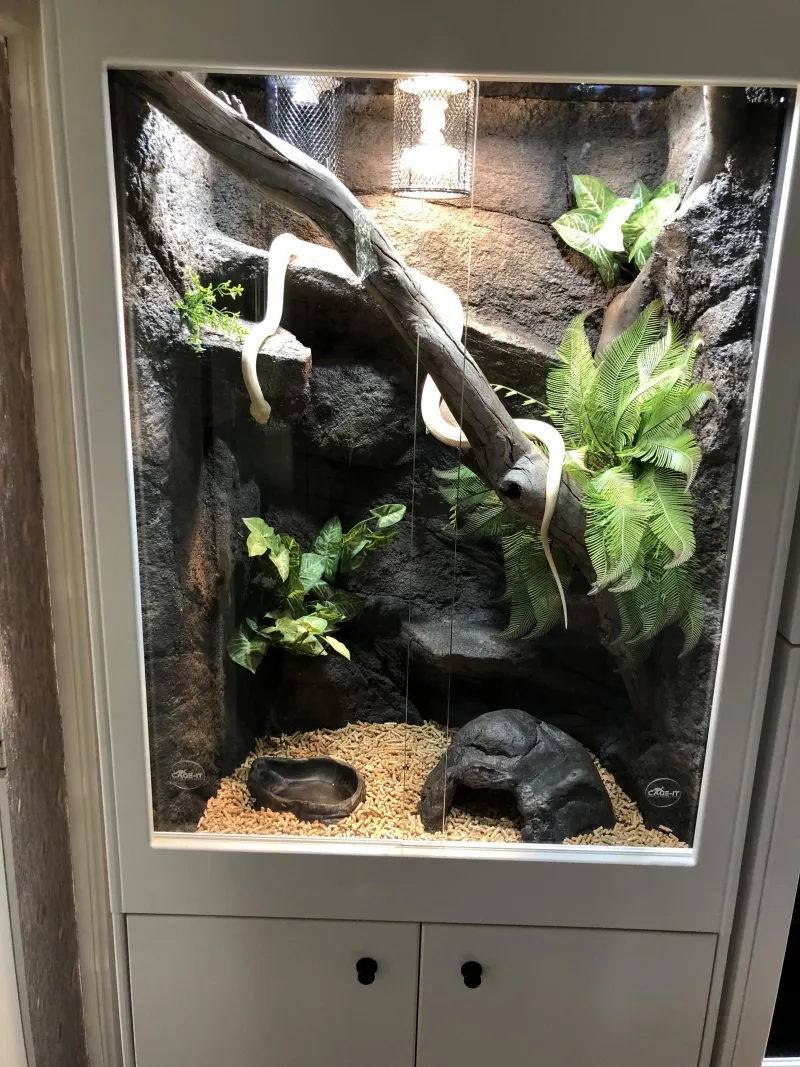
Photo: apartment lease documents next to reptile terrarium, via www.souciehorner.com
Renting with reptiles in the US can feel like playing a game where the rules are hidden in three different rulebooks. One book is state law. One is local ordinance. One is the lease or HOA packet you signed without reading every page because you were tired and the apartment had a dishwasher. If you get it wrong, you may be facing a choice between your home and your animal.
The fix is boring but effective: research first, document everything, and get permission in writing. Here is how to do it without turning the search into a second job.
Start With the Law, Not the Listing
Before you fall in love with a rental, check the state wildlife agency website and the city or county code. Some states ban or restrict certain species outright. Some cities have their own lists. Venomous reptiles, large constrictors, crocodilians, and some turtles are common targets. Permits may be required for native species or for keeping animals for education or breeding.
Do not rely on a forum post from 2019. Laws change, and local animal control offices are usually happy to answer a direct question. Ask for the specific ordinance number if you get a verbal answer. Save the email. If a landlord later claims your ball python is illegal, you want a paper trail that says otherwise.
The Lease Is a Separate Hurdle
A species can be perfectly legal and still be banned by your lease. Look for pet clauses, animal addenda, and rules about 'caged animals.' Some leases say 'no pets' but make an exception for animals kept in cages or aquariums. Others define pets so broadly that a gecko counts. Some charge pet rent or a pet deposit. Some require renters insurance with liability coverage.
Read the actual lease, not just the listing description. If the lease is vague, ask for clarification in writing before you sign. A text message from a leasing agent is better than nothing, but a signed addendum is better.
HOAs and Co-ops Add Another Layer
If you are renting a condo, townhouse, or co-op, the homeowners association or board may have its own rules. Ask for the CC&Rs, rules and regulations, and any pet policy. Board approval can take time, and a verbal 'it should be fine' from a neighbor means nothing. If the HOA has a history of complaints about animals, find out what triggered them.
How to Make Your Case to a Landlord
Most landlords are not reptile experts. They are worried about damage, smell, escapes, liability, and complaints from other tenants. Address those worries directly. Offer a written pet addendum that names the species, describes the enclosure, confirms it is secure, and states that you carry renters insurance. Include photos of a clean setup. Mention that the animal stays in a locked room or secure enclosure if that is true.
A simple script helps: 'I keep a captive-bred [species] in a secure, escape-proof enclosure. It does not roam the apartment, it does not make noise, and I carry renters insurance. I am happy to add a pet addendum and provide a reference from my previous landlord.' Keep it short. Do not over-explain. Do not compare your snake to a goldfish unless the comparison is actually useful.
Red Flags Before You Sign
Walk away from vague answers like 'we will see how it goes' or 'just do not tell anyone.' A landlord who cannot give written approval today may change their mind after a complaint. Watch for leases that allow inspections with no notice, pet fees that are higher than the rent, or clauses that ban 'exotic animals' without defining the term. If the building has a history of evicting tenants over pets, you do not want to be the test case.
If You Already Live There
If you already have a reptile and discover a problem, review your lease and any HOA rules before you panic. Ask for a meeting. Bring documentation. If the issue is a disability accommodation, talk to a local legal aid organization about your options. Do not dump the animal at a shelter as a first step. Rehoming should be a last resort, not a panic move.
The Bottom Line
Check three layers: state and local law, building or HOA rules, and the lease itself. Get permission in writing. Keep records. A little paperwork before you move is far cheaper than an emergency rehoming ad after you sign.