Silent and Deadly: The Respiratory Infection Epidemic Quietly Wiping Out Pet Reptiles Across America
If you've spent any time in reptile-keeping circles — whether that's online forums, local reptile expos, or the comment sections here at Reptile Top Sites — you've probably heard a story that goes something like this: someone's ball python seemed a little off, maybe wheezing slightly or sitting weird in its enclosure, and before they knew it, they were at an emergency vet with a critically ill animal. Sometimes those stories have happy endings. A lot of the time, they don't.
Respiratory infections — often referred to as RIs in the hobby — are widely considered one of the leading causes of death among captive reptiles in the United States. Yet despite how common they are, a surprising number of keepers still underestimate the threat or mistake early symptoms for something harmless. We wanted to change that. So we went deep: pulling research, consulting with exotic animal veterinarians, and connecting with reptile owners across the country who've dealt with this firsthand.
What we found is equal parts alarming and empowering.
What Exactly Is a Reptile Respiratory Infection?
Reptile respiratory infections aren't a single disease — they're a broad category of illness affecting the lungs, trachea, and airways, caused by a mix of bacteria, viruses, fungi, or parasites. The most common culprits are bacterial, with pathogens like Pseudomonas, Aeromonas, and Mycoplasma species showing up repeatedly in clinical cases. In snakes especially, Nidovirus — a viral pathogen — has become an increasingly recognized threat, particularly in ball python collections.
Unlike mammals, reptiles can't cough effectively to clear their airways. Their immune systems also operate differently, heavily influenced by ambient temperature. That last point is critical and something we'll come back to.
The Warning Signs Most Owners Miss
Here's where things get tricky. Early-stage respiratory infections in reptiles are notoriously easy to overlook, especially for newer keepers. By the time symptoms become obvious, the infection has often progressed significantly.
Watch for these red flags:
- Wheezing, crackling, or clicking sounds during breathing
- Open-mouth breathing — in reptiles, this is almost never normal and should always raise concern
- Mucus or discharge around the nostrils or mouth
- Lethargy or unusual posturing, such as a snake holding its head upright or tilted
- Reduced appetite combined with any of the above
- Bubbling saliva or excessive mucus in the mouth
Jamie Holloway, a reptile keeper from Austin, Texas, who owns a collection of over 30 colubrids and pythons, described catching an RI early in one of her corn snakes. "She was just a little more sluggish than usual and I noticed her breathing seemed slightly labored — barely noticeable, honestly. I almost wrote it off. But something felt off, so I got her to my vet within two days. Turned out she had a bacterial infection that was just starting to take hold. We caught it early and she recovered fully, but my vet told me if I'd waited another week it could have been a very different outcome."
Why Temperature Is the Overlooked Variable
This is the piece of the puzzle that doesn't get talked about enough. Reptiles are ectothermic — they rely on external heat sources to regulate their body temperature, and that temperature directly controls how well their immune system functions. A reptile kept even a few degrees below its optimal thermal range is essentially running an impaired immune response.
Dr. Carla Simmons, an exotic animal veterinarian practicing in the Pacific Northwest who sees a high volume of reptile patients, puts it plainly: "The single most common contributing factor I see in respiratory infection cases is inadequate thermal gradients. People think they're hitting the right temperatures, but they haven't verified it with a quality thermometer, or they're not providing the range the animal needs to thermoregulate. A sick or stressed reptile that can't access proper heat basically can't fight back."
The fix? Invest in reliable digital thermometers — ideally infrared temperature guns — and actually verify your hot spot, ambient temperature, and cool side regularly. Don't guess. Don't trust the dial on a cheap under-tank heater.
Husbandry Failures: The Root Cause Behind Most Cases
Veterinarians across the country are largely consistent in what they say drives the RI epidemic: husbandry problems. That's not a judgment — it's a solvable problem.
The main husbandry factors linked to respiratory infections include:
Humidity imbalances. Both too-low and too-high humidity can be problematic depending on the species. Desert species like bearded dragons in overly humid enclosures are prime candidates for respiratory trouble. Tropical species in environments that are too dry face similar risks from different angles.
Poor ventilation. Stagnant, damp air is a breeding ground for bacterial and fungal pathogens. Enclosures need adequate airflow without creating drafts.
Overcrowding and stress. Chronic stress suppresses immune function. Reptiles that are handled excessively, housed with incompatible animals, or kept in enclosures that don't meet their behavioral needs are more vulnerable.
Quarantine failures. Introducing a new animal to an existing collection without proper quarantine — typically 60 to 90 days in a completely separate space — is one of the fastest ways to introduce pathogens.
Prevention Protocols That Actually Work
So what does solid prevention actually look like in practice? We put together a framework based on veterinary guidance and input from experienced keepers:
-
Nail your temperatures. Research the specific thermal requirements for every species you keep. Verify with quality equipment. Adjust seasonally if needed.
-
Control humidity precisely. Use digital hygrometers, not analog. Know your species' requirements and maintain them consistently.
-
Quarantine every new animal. No exceptions. Sixty to ninety days, separate room if possible, separate equipment entirely.
-
Clean and disinfect regularly. Use reptile-safe disinfectants and establish a cleaning schedule. Don't wait until something smells wrong.
-
Find an exotic vet before you need one. Seriously — locate a qualified reptile vet in your area now, not when your animal is in crisis at 10 PM on a Sunday.
-
Observe your animals daily. The keepers who catch problems early are the ones who know their animals well enough to notice subtle changes.
When to Go to the Vet — And Why You Shouldn't Wait
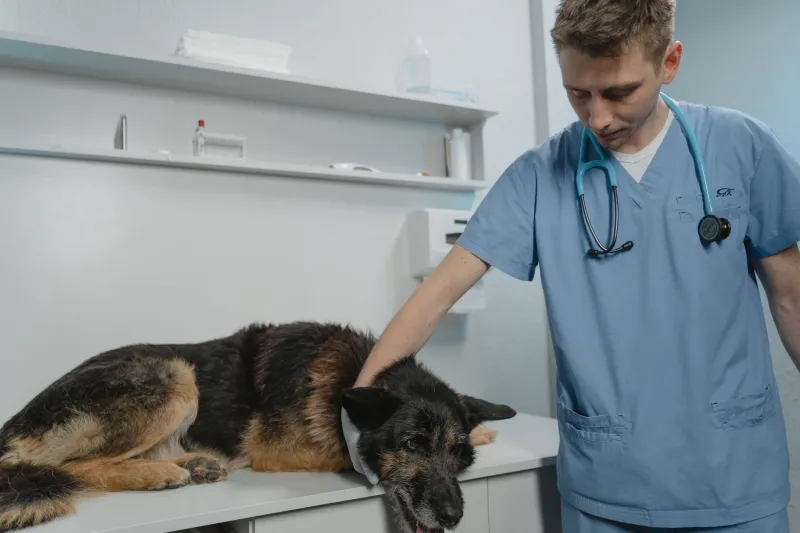
Respiratory infections do not resolve on their own. If you're seeing symptoms, your reptile needs professional evaluation. A vet will typically perform a physical exam, possibly culture nasal or oral discharge to identify the pathogen, and may recommend imaging. Treatment usually involves antibiotics for bacterial infections, supportive care, and correcting whatever husbandry issue contributed to the problem.
Delaying veterinary care is the most common mistake keepers make. "People wait because they're hoping it'll improve, or they're worried about the cost," says Dr. Simmons. "But respiratory infections progress quickly in reptiles, and by the time an animal is in obvious distress, you're often dealing with a much more serious — and expensive — situation than if you'd come in earlier."
The Bottom Line
Respiratory infections are serious. They're common. And they're largely preventable with good husbandry, attentive observation, and a proactive relationship with a qualified exotic vet. The reptile-keeping community in the US has incredible knowledge and passion — and the more we share accurate, actionable information, the better outcomes we'll see for the animals in our care.
Stay sharp, keep your enclosures dialed in, and don't hesitate to reach out to a professional the moment something seems off. Your reptile is counting on you.